

What is the operation principle of a Plate Mounter Machine's clamping system?
Dec 18, 2025
Leave a message
A Plate Mounter Machine is an essential piece of equipment in the printing and packaging industry, enabling accurate mounting of printing plates onto cylinders. At the heart of its functionality lies the clamping system, which plays a pivotal role in ensuring the stability and precision of the mounted plates. As a supplier of Plate Mounter Machines, we understand the importance of this system and are eager to share its operation principle with you.
Basic Structure of the Clamping System
The clamping system of a Plate Mounter Machine typically consists of several key components. These include clamping jaws or bars, actuators, guiding mechanisms, and control units. Each of these components works in harmony to firmly hold the printing plate in place during the mounting process.
Operation Principle
The operation of the clamping system can be divided into several distinct stages: loading, clamping, and release. Here's a detailed breakdown of each stage:
Loading
The loading stage is the first step in the process. The operator places the printing plate onto the designated area of the Plate Mounter Machine. Modern Plate Mounter Machines often feature advanced guiding systems to ensure that the plate is positioned correctly. These guiding systems can be physical guides or electronic sensors that detect the position of the plate and provide visual or audible feedback to the operator.
Clamping
Once the plate is properly loaded, the clamping process begins. This is where the actuators come into play. Actuators are devices that convert energy into mechanical motion. In the context of a Plate Mounter Machine's clamping system, actuators can be pneumatic, hydraulic, or electric.
- Pneumatic Actuators: These actuators use compressed air to generate force. When air is supplied to the pneumatic cylinder, the piston moves, which in turn operates the clamping jaws or bars. Pneumatic actuators are known for their fast operation and simplicity. They are also relatively cost - effective and easy to maintain.
- Hydraulic Actuators: Hydraulic actuators work on the principle of transmitting force through a liquid, usually oil. They can generate a large amount of force, making them suitable for clamping systems that need to hold large and heavy printing plates firmly. However, hydraulic systems are more complex and require regular maintenance to prevent leaks.
- Electric Actuators: Electric actuators use an electric motor to generate motion. They offer precise control over the clamping force and can be easily integrated with the machine's control system. Electric actuators are also energy - efficient and have a long service life.
Once the actuator is activated, the clamping jaws or bars move towards the edges of the printing plate. These jaws or bars are designed with a specific shape and surface finish to ensure a firm grip on the plate without damaging it. Some clamping systems may also have adjustable pressure settings, allowing the operator to optimize the clamping force based on the type and thickness of the printing plate.
Release
After the mounting process is complete or when the plate needs to be removed, the clamping system goes through the release stage. The control unit sends a signal to the actuator to reverse its operation. For example, in a pneumatic actuator, the compressed air is released, allowing the piston to move back to its original position. This causes the clamping jaws or bars to move away from the printing plate, releasing it.
Advantages of a Well - Designed Clamping System
A high - quality clamping system in a Plate Mounter Machine offers several advantages:
- Precision: It ensures that the printing plate is held in the exact position, reducing the chances of misregistration during the printing process. This results in high - quality printed products with sharp images and accurate colors.
- Stability: A firm grip on the printing plate prevents it from shifting or vibrating during the mounting and printing operations. This stability is crucial for maintaining consistent print quality.
- Efficiency: The clamping system allows for quick and easy loading and unloading of the printing plates, reducing downtime between print jobs. This increases the overall productivity of the printing process.
Related Accessory Machines
In addition to the Plate Mounter Machine, there are several accessory machines that can enhance the efficiency and quality of the printing process. For instance, the Plate Washing Machine is used to clean printing plates after they have been used. It helps to remove ink, debris, and other contaminants, extending the lifespan of the plates.
The Gpan - Anilox Roller Cleaning Machine is responsible for cleaning anilox rollers, which play a crucial role in the ink transfer process in flexographic printing. Keeping these rollers clean ensures consistent ink flow and high - quality printing.
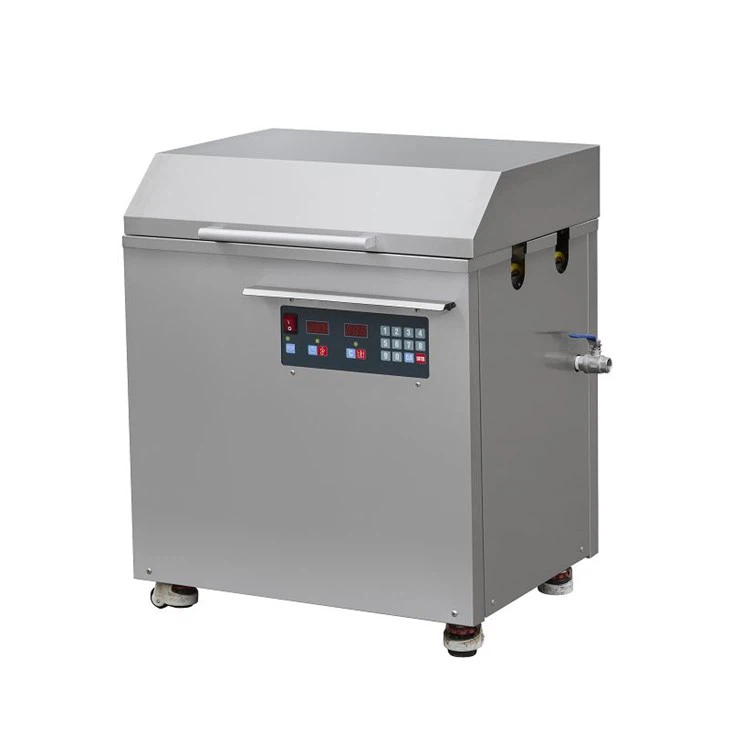

The Core Cutting Machine is used to cut cores for the printing cylinders. It provides precise cuts, ensuring that the cores fit properly and contribute to the overall stability of the printing process.
Contact Us for Purchase and Consultation
If you are in the market for a Plate Mounter Machine or any of the accessory machines mentioned above, we invite you to reach out to us. As a trusted supplier in the industry, we offer high - quality machines with advanced features and reliable after - sales support. Our team of experts is ready to answer any questions you may have and assist you in selecting the right equipment for your specific needs. Whether you are a small - scale printing shop or a large - scale industrial printing operation, we have solutions that can meet your requirements.
References
- "Handbook of Printing Technology" - A comprehensive guide on various printing processes and equipment, including Plate Mounter Machines and their components.
- Industry whitepapers on the latest advancements in clamping systems for printing equipment.