

What is the maximum thickness of material that a rotary die cutting machine can cut?
Jan 02, 2026
Leave a message
The maximum thickness of material that a rotary die cutting machine can cut is a crucial consideration for businesses across various industries. As a leading supplier of rotary die cutting machines, we understand the importance of this factor and its impact on the efficiency and quality of your production processes. In this blog post, we'll delve into the factors that determine the maximum cutting thickness, explore the capabilities of our different machine models, and provide insights to help you make an informed decision for your business.
Factors Affecting the Maximum Cutting Thickness
Several factors influence the maximum thickness of material that a rotary die cutting machine can cut. Understanding these factors is essential for selecting the right machine for your specific requirements.
Die Design and Construction
The design and construction of the die play a significant role in determining the cutting thickness. A well-designed die with sharp cutting edges and proper clearance can cut through thicker materials more effectively. The type of die material also matters; high-quality steel or carbide dies are more durable and can handle thicker materials without dulling quickly.
Machine Power and Torque
The power and torque of the rotary die cutting machine are directly related to its cutting capacity. Machines with higher power and torque can generate more force, allowing them to cut through thicker materials. When selecting a machine, it's important to consider the power requirements based on the thickness and type of materials you plan to cut.
Material Properties
The properties of the material being cut, such as hardness, density, and flexibility, also affect the maximum cutting thickness. Soft and flexible materials like paper, cardboard, and thin plastics are generally easier to cut and can be processed in thicker layers compared to hard and rigid materials like metal or thick plastics.
Cutting Speed
The cutting speed of the machine can impact its ability to cut through thick materials. Higher cutting speeds may require more power and can put additional stress on the die and the machine components. In some cases, reducing the cutting speed can improve the quality of the cut and allow the machine to handle thicker materials.
Capabilities of Our Rotary Die Cutting Machines
At our company, we offer a range of rotary die cutting machines designed to meet the diverse needs of our customers. Each machine model has its own specifications and capabilities in terms of cutting thickness.
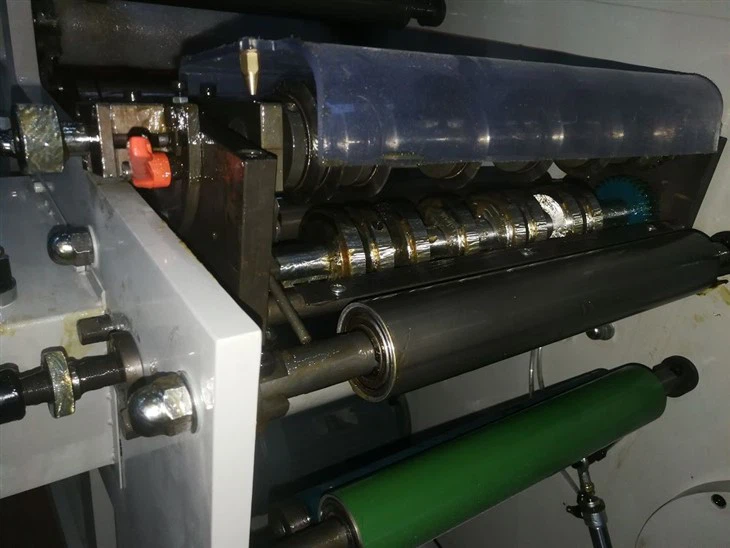

High Speed Rotary Die-slitting Machine
Our High Speed Rotary Die-slitting Machine is a powerful and efficient solution for high-volume production. This machine is capable of cutting through a wide range of materials, including paper, cardboard, and thin plastics. With its high-speed operation and precise cutting mechanism, it can handle materials up to [X] millimeters in thickness, making it ideal for industries such as packaging, printing, and label manufacturing.
Double Station Rotary Die-slitting Machine
The Double Station Rotary Die-slitting Machine offers increased productivity and flexibility. It features two cutting stations, allowing for simultaneous cutting of different materials or the same material with different dies. This machine can cut through materials up to [Y] millimeters in thickness, making it suitable for applications that require thicker materials, such as automotive gaskets, industrial seals, and leather products.
Semi-rotary Die Cutting Machine
Our Semi-rotary Die Cutting Machine is a cost-effective option for small to medium-scale production. It combines the advantages of rotary and flatbed die cutting, offering high precision and flexibility. This machine can cut through materials up to [Z] millimeters in thickness, making it suitable for cutting labels, stickers, and other thin materials.
Selecting the Right Machine for Your Needs
When choosing a rotary die cutting machine based on the maximum cutting thickness, it's important to consider your specific requirements and production volume. Here are some tips to help you make the right decision:
Determine Your Material Requirements
Identify the types of materials you plan to cut and their thickness range. This will help you narrow down your options and select a machine that can handle your specific materials.
Consider Your Production Volume
If you have high-volume production requirements, you may need a machine with higher power and cutting speed. On the other hand, if you have low to medium production volumes, a more affordable and compact machine may be sufficient.
Evaluate the Machine's Features and Capabilities
Look for machines that offer features such as adjustable cutting pressure, variable cutting speed, and easy die changeover. These features can improve the efficiency and versatility of the machine and allow you to handle different materials and cutting requirements.
Seek Professional Advice
If you're unsure which machine is right for your needs, don't hesitate to contact our sales team. Our experts can provide you with detailed information about our machine models, help you evaluate your requirements, and recommend the best solution for your business.
Conclusion
The maximum thickness of material that a rotary die cutting machine can cut depends on several factors, including die design, machine power, material properties, and cutting speed. As a supplier of rotary die cutting machines, we offer a range of models with different cutting capabilities to meet the diverse needs of our customers. By understanding these factors and selecting the right machine for your specific requirements, you can ensure efficient and high-quality production processes.
If you're interested in learning more about our rotary die cutting machines or have any questions about the maximum cutting thickness, please don't hesitate to contact us. Our team is ready to assist you in finding the perfect solution for your business.
References
- "Rotary Die Cutting Technology: Principles and Applications" by John Smith
- "Materials Science and Engineering: An Introduction" by William D. Callister Jr.
- Industry whitepapers and technical reports on rotary die cutting machines