

How to ensure the safety of operators when maintaining a rotary die cutting machine?
Jan 13, 2026
Leave a message
As a supplier of rotary die cutting machines, I understand the paramount importance of operator safety during machine maintenance. Rotary die cutting machines are complex pieces of equipment used in various industries for cutting, slitting, and shaping materials. Ensuring the safety of operators not only protects their well - being but also enhances the overall efficiency and productivity of the manufacturing process. In this blog, I will share some key strategies and best practices to guarantee operator safety when maintaining a rotary die cutting machine.
Pre - maintenance Preparations
Before starting any maintenance work on a rotary die cutting machine, thorough preparations are essential. First and foremost, operators should be properly trained on the machine's operation, maintenance procedures, and safety protocols. Our company offers comprehensive training programs for operators who purchase our Double Station Rotary Die - slitting Machine, High Speed Rotary Die - slitting Machine, and Semi - rotary Die Cutting Machine. These programs cover everything from basic machine functions to advanced maintenance techniques, ensuring that operators have the knowledge and skills necessary to perform maintenance safely.
In addition to training, operators should also conduct a pre - maintenance inspection of the machine. This includes checking for any visible signs of damage, such as loose parts, worn belts, or leaking fluids. They should also review the machine's operating manual to ensure that they are familiar with the specific maintenance requirements for their model. By identifying potential issues early on, operators can take appropriate measures to address them before they become more serious problems.
Lock - out/Tag - out Procedures
One of the most critical safety measures when maintaining a rotary die cutting machine is the implementation of lock - out/tag - out (LOTO) procedures. LOTO is a safety protocol designed to prevent the accidental startup of machinery during maintenance or servicing. It involves isolating the machine from its power source and applying a lock and tag to indicate that the equipment is undergoing maintenance.
To implement LOTO procedures effectively, operators should follow a specific set of steps. First, they should identify all energy sources that power the machine, including electrical, hydraulic, and pneumatic systems. Next, they should turn off and disconnect these energy sources using the appropriate switches, valves, or circuit breakers. Once the energy sources are disconnected, operators should apply a lock and tag to each isolation point, clearly indicating that the machine is not to be operated.
It is important to note that only authorized personnel should be allowed to remove the locks and tags. Before restarting the machine, operators should ensure that all maintenance work is completed, all tools and equipment are removed from the machine, and all guards and safety devices are in place.
Personal Protective Equipment (PPE)
Another crucial aspect of operator safety during machine maintenance is the use of personal protective equipment (PPE). PPE is designed to protect operators from various hazards, such as flying debris, sharp edges, and electrical shock. When maintaining a rotary die cutting machine, operators should wear appropriate PPE, including safety glasses, gloves, ear protection, and steel - toed boots.
Safety glasses protect the eyes from flying debris and particles that may be generated during maintenance work. Gloves provide protection against cuts and abrasions, as well as chemical exposure. Ear protection is necessary to prevent hearing damage from the loud noise generated by the machine. Steel - toed boots protect the feet from heavy objects and sharp edges.
In addition to these basic PPE items, operators may also need to wear additional protective gear depending on the specific maintenance task. For example, if they are working with electrical components, they should wear insulated gloves and use insulated tools to prevent electrical shock.
Safe Handling of Tools and Equipment
Proper handling of tools and equipment is essential for operator safety during machine maintenance. Operators should use the right tools for the job and ensure that they are in good working condition. Before using any tool, they should inspect it for damage or wear and replace it if necessary.
When using tools, operators should follow the manufacturer's instructions and use them in a safe and responsible manner. For example, when using a power tool, they should ensure that it is properly grounded and that they are using the correct speed and torque settings. They should also avoid using damaged or malfunctioning tools, as this can increase the risk of injury.
In addition to using the right tools, operators should also store them properly when not in use. Tools should be kept in a designated toolbox or storage area to prevent them from being lost or damaged. This not only helps to ensure the safety of operators but also extends the lifespan of the tools.

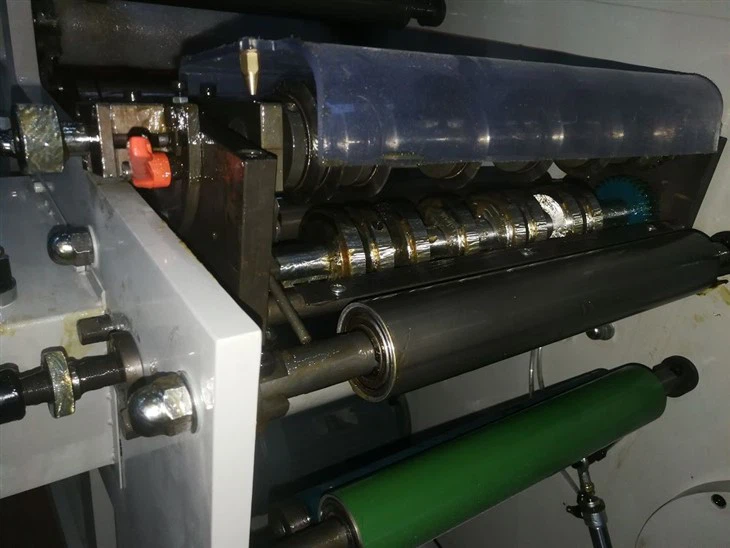
Maintenance of Safety Devices
Rotary die cutting machines are equipped with various safety devices, such as guards, interlocks, and emergency stop buttons, to protect operators from harm. These safety devices should be regularly inspected and maintained to ensure that they are in good working condition.
Guards are designed to prevent operators from coming into contact with moving parts of the machine. They should be checked for any signs of damage or wear and replaced if necessary. Interlocks are safety devices that prevent the machine from operating if certain conditions are not met, such as the door being open. These should be tested regularly to ensure that they are functioning properly.
Emergency stop buttons are critical safety devices that allow operators to quickly stop the machine in case of an emergency. They should be easily accessible and clearly marked. Operators should test the emergency stop buttons regularly to ensure that they are working correctly.
Regular Maintenance Schedules
Establishing a regular maintenance schedule is essential for ensuring the long - term safety and reliability of a rotary die cutting machine. Regular maintenance helps to identify and address potential issues before they cause serious problems. It also helps to extend the lifespan of the machine and improve its overall performance.
Our company provides detailed maintenance schedules for all of our rotary die cutting machines. These schedules include recommended maintenance tasks, such as lubrication, filter replacement, and belt tension adjustment, as well as the frequency at which these tasks should be performed. By following these maintenance schedules, operators can ensure that their machines are always in good working condition and that they are operating safely.
Training and Communication
Finally, ongoing training and communication are key to maintaining operator safety during machine maintenance. Operators should receive regular refresher training on safety procedures and best practices to ensure that they are up - to - date with the latest safety standards.
In addition, there should be open communication channels between operators, maintenance personnel, and management. Operators should feel comfortable reporting any safety concerns or issues they encounter during maintenance work. Management should also encourage a culture of safety in the workplace and provide the necessary resources and support to ensure that safety protocols are followed.
Conclusion
Ensuring the safety of operators when maintaining a rotary die cutting machine is a complex but essential task. By following the strategies and best practices outlined in this blog, including pre - maintenance preparations, lock - out/tag - out procedures, the use of PPE, safe handling of tools and equipment, maintenance of safety devices, regular maintenance schedules, and ongoing training and communication, operators can minimize the risk of injury and ensure the long - term safety and reliability of the machine.
If you are interested in purchasing a rotary die cutting machine or have any questions about operator safety during maintenance, please feel free to contact us. We are committed to providing high - quality machines and comprehensive support to our customers.
References
- OSHA. (n.d.). Lockout/Tagout. Retrieved from Occupational Safety and Health Administration website.
- ANSI B11.19 - 2019. Safety Requirements for Machine Tools - Safety Requirements for Die Cutting Machines.
- Manufacturer's operating manuals for Double Station Rotary Die - slitting Machine, High Speed Rotary Die - slitting Machine, and Semi - rotary Die Cutting Machine.