

Can a one - color printing machine print on fabric?
Oct 08, 2025
Leave a message
Can a One - Color Printing Machine Print on Fabric?
As a supplier of One Color Printing Machine, I often get asked whether a one - color printing machine can be used to print on fabric. This is a valid question, especially considering the diverse range of printing needs in the textile industry. In this blog post, I will delve into the technical aspects, advantages, limitations, and practical applications of using a one - color printing machine for fabric printing.
Technical Feasibility
One - color printing machines are designed to apply a single color of ink onto a substrate. When it comes to fabric, the basic principle remains the same. These machines use various printing technologies such as flexography, screen printing, or direct - to - garment (DTG) printing, each with its own way of depositing ink on the fabric.
Flexographic one - color printing machines work by using a flexible relief plate that is inked and then transfers the ink onto the fabric as it passes through the machine. This technology is suitable for printing on a variety of fabrics, including cotton, polyester, and blends. The ink used in flexographic printing is typically water - based, which is environmentally friendly and adheres well to fabric fibers.
Screen printing is another common method for one - color fabric printing. A stencil is created on a fine mesh screen, and ink is forced through the open areas of the stencil onto the fabric. This process allows for precise control over the ink deposition and can produce high - quality prints on fabric. However, it may be more time - consuming compared to other methods, especially for large - scale production.
Direct - to - garment one - color printing machines use inkjet technology to print directly onto the fabric. These machines are known for their ability to produce detailed and vibrant prints. They can handle a wide range of fabric types and are often used for custom - printed apparel.
Advantages of Using a One - Color Printing Machine for Fabric
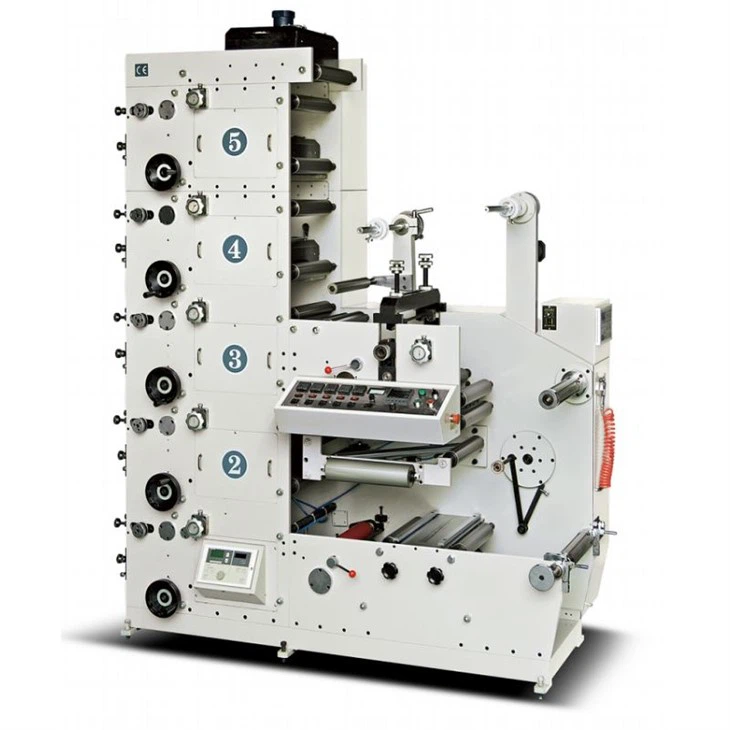
- Cost - Effectiveness: One - color printing machines are generally more affordable than multi - color printing machines such as Four Color Printing Machine or Five Color Printing Machine. This makes them an attractive option for small - scale fabric printers, startups, or businesses with a limited budget.
- Simplicity: Operating a one - color printing machine is relatively straightforward. There is no need to worry about color registration or complex color mixing processes. This simplicity reduces the learning curve for operators and minimizes the chances of errors during the printing process.
- Specialty Printing: One - color printing can be used to create unique and eye - catching designs on fabric. For example, a single - color logo or a simple pattern can make a strong visual statement. This type of printing is often used for promotional items, such as tote bags, aprons, and hats.
- Quick Turnaround: Since there is only one color to print, the production time is significantly reduced compared to multi - color printing. This allows for faster order fulfillment, which is crucial for meeting tight deadlines.
Limitations
- Limited Design Options: As the name suggests, one - color printing machines can only print in a single color. This restricts the complexity and variety of designs that can be created. If a more detailed or multi - colored design is required, a multi - color printing machine may be necessary.
- Color Consistency: Maintaining consistent color quality over a large number of prints can be challenging with a one - color printing machine. Factors such as ink viscosity, temperature, and pressure can affect the color output. Regular calibration and monitoring are required to ensure consistent results.
- Fabric Compatibility: Not all fabrics are suitable for one - color printing. Some fabrics may have a smooth or slippery surface, which can make it difficult for the ink to adhere properly. Additionally, certain fabrics may require special pre - treatment or post - treatment processes to achieve the desired print quality.
Practical Applications
One - color printing machines have a wide range of practical applications in the fabric industry. Here are some examples:
- Branding and Promotion: Many businesses use one - color printing to brand their promotional items, such as t - shirts, caps, and banners. A simple, single - color logo can effectively promote the brand and increase brand awareness.
- Textile Art: Artists and designers often use one - color printing machines to create unique textile art pieces. They can experiment with different patterns and textures to produce one - of - a - kind works.
- Educational Purposes: One - color printing machines are also used in educational institutions to teach students about the basics of fabric printing. They provide a hands - on learning experience and allow students to understand the principles of ink deposition and design creation.
Conclusion
In conclusion, a one - color printing machine can indeed print on fabric. It offers a cost - effective, simple, and efficient solution for many fabric printing needs. However, it also has its limitations, especially when it comes to design complexity and color variety. Before investing in a one - color printing machine, it is important to carefully consider your specific requirements, budget, and the type of fabric you will be printing on.
If you are interested in exploring the possibilities of one - color fabric printing or have any questions about our One Color Printing Machine, please feel free to contact us for a consultation. We are here to help you find the best printing solution for your business.

References
- "Textile Printing Technology" by John Smith
- "Flexographic Printing Handbook" by Jane Doe
- "Inkjet Printing on Textiles" by Robert Johnson