

Are there any special requirements for the foundation of accessory machines?
Oct 10, 2025
Leave a message
As a seasoned supplier of accessory machines, I've encountered numerous inquiries regarding the special requirements for the foundation of these machines. This topic is of utmost importance as a proper foundation ensures the optimal performance, longevity, and safety of the accessory machines. In this blog post, I'll delve into the key aspects of foundation requirements for accessory machines, drawing from my extensive experience in the industry.
Understanding the Importance of a Proper Foundation
Before we explore the specific requirements, it's crucial to understand why a proper foundation is essential for accessory machines. A well - designed and constructed foundation provides stability, reduces vibration, and prevents misalignment. Vibration, if not properly controlled, can lead to premature wear and tear of machine components, reduced accuracy in operation, and even pose safety risks. Misalignment can cause uneven stress on parts, leading to mechanical failures and decreased productivity.

Factors Influencing Foundation Requirements
Several factors influence the special requirements for the foundation of accessory machines.
Machine Type and Size
Different types of accessory machines have varying foundation needs. For example, a Plate Mounter Machine is designed for mounting printing plates. It typically requires a stable and level foundation to ensure accurate plate mounting. The size of the machine also matters; larger machines generally need a more substantial foundation to support their weight and distribute the load evenly.
A Core Cutting Machine, on the other hand, involves cutting operations that generate significant forces. The foundation must be able to absorb these forces and prevent them from causing excessive vibration or movement. This may require a thicker and more rigid foundation compared to a smaller, less powerful machine.
Operating Conditions
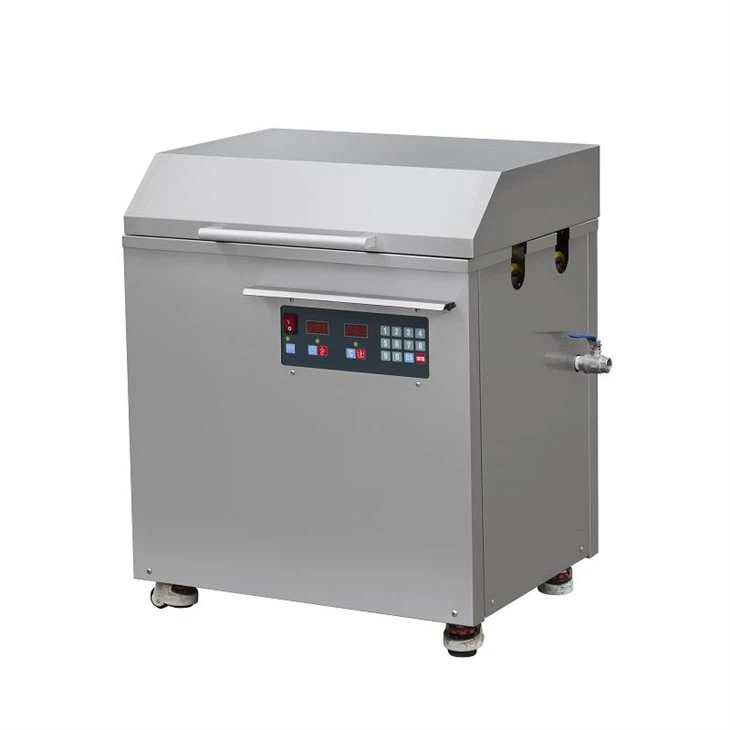
The operating conditions of the accessory machines play a vital role in determining foundation requirements. If the machine operates in a high - speed environment, it will generate more vibration. In such cases, the foundation needs to be designed to dampen these vibrations effectively. For instance, a Gpan - Anilox Roller Cleaning Machine that operates at high speeds to clean anilox rollers may need a foundation with special vibration - isolation features.
Environmental factors such as temperature, humidity, and the presence of corrosive substances also impact the foundation. In a humid or corrosive environment, the foundation material must be resistant to corrosion to maintain its structural integrity over time.
Load Capacity
The weight of the accessory machine and any additional loads it may carry during operation must be considered when designing the foundation. This includes the weight of the machine itself, any workpieces, and the forces generated during operation. The foundation should be designed to support the maximum anticipated load without excessive settlement or deformation. A structural engineer may be needed to calculate the exact load capacity requirements based on the machine's specifications.
Specific Foundation Requirements
Levelness
One of the most basic yet critical requirements for the foundation of accessory machines is levelness. A machine installed on an uneven foundation can experience uneven stress distribution, leading to premature wear and inaccurate operation. The foundation should be level within a specified tolerance, which is typically determined by the machine manufacturer. For precision - oriented accessory machines, the allowable deviation from levelness may be as small as a few millimeters per meter.
Vibration Isolation
As mentioned earlier, vibration can have a detrimental effect on the performance and lifespan of accessory machines. To minimize vibration, various methods can be employed. One common approach is to use vibration - isolating pads or mounts. These pads are made of materials such as rubber or elastomers that can absorb and dampen vibrations. They are placed between the machine and the foundation to reduce the transmission of vibrations.
In some cases, a floating foundation may be used. A floating foundation is a separate structure that is isolated from the main building structure by a layer of vibration - absorbing material. This type of foundation can effectively isolate the machine from external vibrations and prevent the machine's vibrations from affecting the surrounding environment.
Structural Integrity
The foundation must have sufficient structural integrity to withstand the loads and forces imposed by the accessory machine. The choice of foundation material is crucial in ensuring this. Common foundation materials include concrete, steel, and reinforced concrete. Concrete is a popular choice due to its high compressive strength and durability. Reinforced concrete, which contains steel bars or mesh, can provide even greater strength and resistance to cracking.
The thickness and reinforcement of the foundation should be designed based on the machine's requirements. For example, a heavy - duty accessory machine may require a thicker concrete foundation with more extensive reinforcement to support its weight and the forces generated during operation.
Installation and Maintenance
Proper installation of the accessory machine on the foundation is just as important as the foundation design itself. The machine should be installed according to the manufacturer's instructions, which may include specific procedures for leveling, alignment, and fastening. During installation, it's essential to ensure that all connections between the machine and the foundation are secure to prevent movement or misalignment.
Regular maintenance of the foundation is also necessary to ensure its long - term performance. This includes inspecting the foundation for cracks, settlement, or other signs of damage. Any issues should be addressed promptly to prevent further deterioration and potential damage to the accessory machine.
Conclusion
In conclusion, there are indeed special requirements for the foundation of accessory machines. These requirements are influenced by factors such as machine type and size, operating conditions, and load capacity. A proper foundation is essential for the optimal performance, longevity, and safety of the machines. By understanding these requirements and taking appropriate measures during foundation design, installation, and maintenance, we can ensure that the accessory machines operate efficiently and reliably.
If you're in the market for high - quality accessory machines and need guidance on the proper foundation requirements for your specific application, I'd be more than happy to assist you. Contact me to discuss your needs and start a fruitful procurement negotiation.
References
- Machine Design Handbook: A comprehensive guide to the design and installation of industrial machines.
- Manufacturer's manuals for Plate Mounter Machine, Core Cutting Machine, and Gpan - Anilox Roller Cleaning Machine.